How to Keep Insects and Bugs Out of Your Water Well
Finding insects around your water well can be unpleasant, especially when the well supplies drinking water for your household.
A properly protected well should prevent insects, rodents, debris, and surface water from entering the well casing.
However, damaged well caps, missing vent screens, loose fittings, and poorly sealed openings can create opportunities for insects to get inside.
The good news is that several maintenance practices can help reduce this risk.
In this guide, we explain why insects enter water wells, how to identify possible entry points, and how to protect your well.
Why Do Insects Enter Water Wells?
Insects may enter a well through openings that are not properly protected.
Some common causes include:
- Missing or damaged well caps.
- Broken ventilation screens.
- Loose sealing components.
- Gaps around electrical cables.
- Improperly fitted replacement caps.
- Deteriorated well covers.
Even a relatively small opening can allow certain insects to enter.
Once inside, insects may become trapped or contribute organic material to the water.
6 Common Ways to Keep Insects Out of Your Well
1. Install a Properly Fitted Well Cap
A properly fitted well cap is one of the most important protective components of a drilled water well.
The cap should be compatible with the casing diameter and designed for the well’s equipment configuration.
Check that:
- The cap fits the casing correctly.
- The attachment system is secure.
- The sealing components are in good condition.
- Cable openings are properly protected.
- The cap has no visible damage.
Avoid using ordinary household lids or improvised materials as permanent well protection.
2. Check the Ventilation Screen
Many well caps include a screened ventilation opening.
This allows the well to breathe while helping prevent insects and other foreign materials from entering.
Inspect the visible screen for:
- Holes.
- Tears.
- Corrosion.
- Missing sections.
- Blockages.
If the screen is damaged, arrange a compatible replacement.
Never block a required vent simply to prevent insects from entering.
3. Inspect Cable and Pipe Openings
Electrical cables and pump-related fittings may pass through the well cap.
These openings should be properly designed and sealed around the equipment.
Look for visible gaps, deteriorated fittings, and damaged sealing materials.
If you notice an opening that appears unprotected, have it inspected by a qualified well professional.
Do not apply ordinary household sealants without confirming that they are suitable for the application.
4. Keep the Area Around the Well Clean
The ground around your well should be maintained to discourage insect and rodent activity.
Consider these maintenance practices:
- Remove accumulated leaves and debris.
- Keep grass and vegetation manageable.
- Avoid storing trash beside the wellhead.
- Remove standing water where practical.
- Keep animal nesting materials away from the well.
These measures can reduce unwanted pest activity around the well.
5. Inspect the Well Cover for Damage
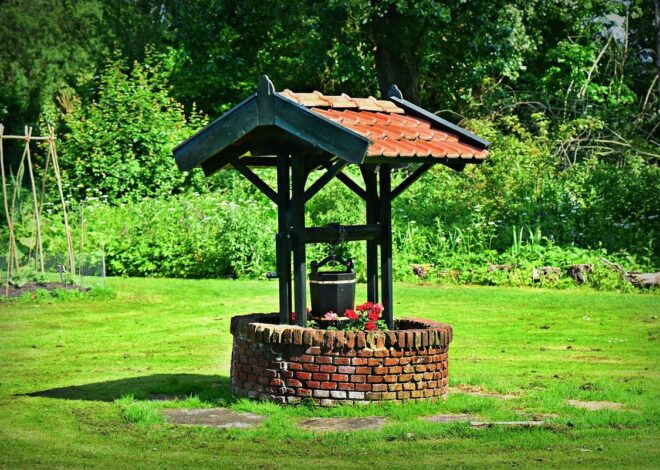
If your property has a dug or bored well, inspect the larger well cover and its access points.
Look for:
- Cracks in concrete.
- Damaged access lids.
- Loose cover components.
- Gaps around the edges.
- Evidence of animal activity.
A damaged cover should be assessed and repaired or replaced using a suitable system.
6. Schedule Regular Well Maintenance
A professional well inspection can help identify problems that are difficult to see during a basic visual check.
A qualified well contractor can evaluate the cap, casing, visible fittings, and other wellhead components.
Professional maintenance is especially important when the well has been exposed to flooding, construction activity, or suspected contamination.
What If You Find Insects Inside Your Well?
If you discover insects inside the well or suspect they have entered the water supply, do not ignore the problem.
Follow these steps:
- Avoid opening the well further than necessary.
- Contact a qualified well professional.
- Arrange appropriate water testing.
- Ask whether well disinfection is necessary.
- Have damaged caps, screens, or seals repaired.
- Follow professional recommendations before returning to normal water use.
If you suspect the drinking water has been contaminated, use an alternative safe water source until the appropriate testing and professional guidance establish that it is suitable for use.
Do not assume that removing visible insects makes the water safe.
Can a Screened Well Cap Prevent All Insects?
A properly designed and maintained screened vent can help prevent insects from entering through that opening.
However, it cannot protect the well if other openings are damaged or improperly sealed.
The entire wellhead assembly must be properly maintained.
A good cap, intact screen, suitable cable fittings, and secure attachment all work together to provide protection.
Should You Use Insecticides Around Your Well?
Be careful when using pesticides near a private water well.
Some chemicals can contaminate groundwater if they are applied incorrectly or too close to the well.
Never spray insecticides directly into the well, through its vent, or around an exposed well opening.
Follow product labels and local regulations. If pest activity is a recurring problem, address the physical entry points and consult a qualified pest control professional.
Frequently Asked Questions
Can bugs get into a properly covered water well?
A properly installed and maintained cap or cover greatly reduces the chance of insect entry. However, damaged screens, loose fittings, or other openings can still create problems.
Does every well cap need a screen?
Some well caps include screened ventilation, while other designs use different arrangements. Follow the requirements of the specific cap and well system.
Can insects contaminate drinking water?
Insects entering a well can introduce organic material and potentially contribute to microbial contamination. Appropriate water testing is needed to assess safety.
How do I know if insects are inside my well?
A professional inspection may be necessary. Do not remove the well cap simply to look inside because opening the well can introduce additional contamination.
Can I put a fine mesh screen over my well cap?
Only use a screen designed and approved for the specific vent arrangement. An improvised screen may restrict required ventilation or interfere with the cap’s protective design.
Final Thoughts
Keeping insects out of your water well starts with proper physical protection.
A suitable well cap, intact ventilation screen, secure cable fittings, and clean surroundings can help reduce the risk of insect entry.
Inspect visible components regularly and arrange professional maintenance when you notice damage.
If insects may have entered the water supply, have the well evaluated and the water tested before assuming it is safe to drink.
Disclaimer: This article is for educational purposes only. Water quality concerns should be evaluated through appropriate laboratory testing and guidance from a qualified well professional or local health authority.