Well Cap vs. Well Cover: What’s the Difference and Which One Do You Need?
If you own a private water well, you have probably heard the terms well cap and well cover. Although people sometimes use these terms interchangeably, they can describe different components used to protect a water well.
Both play an important role in keeping unwanted materials, insects, animals, and surface water from entering the well. However, the correct type depends on how the well was constructed and how its upper section is designed.
Understanding the difference between a well cap and a well cover can help you choose the right protection for your property.
What Is a Well Cap?
A well cap is a protective fitting installed at the top of a well casing.
It is commonly used on drilled residential water wells. The cap is designed to create a secure barrier that prevents insects, rodents, debris, and contaminated surface water from entering the well.
Many modern well caps are made from aluminum or other durable materials.
A typical well cap may include:
- A secure attachment mechanism.
- A rubber gasket or sealing component.
- Electrical cable openings.
- A screened ventilation opening.
- Fittings designed for the specific well casing.
The exact design varies depending on the manufacturer and well configuration.
What Is a Well Cover?
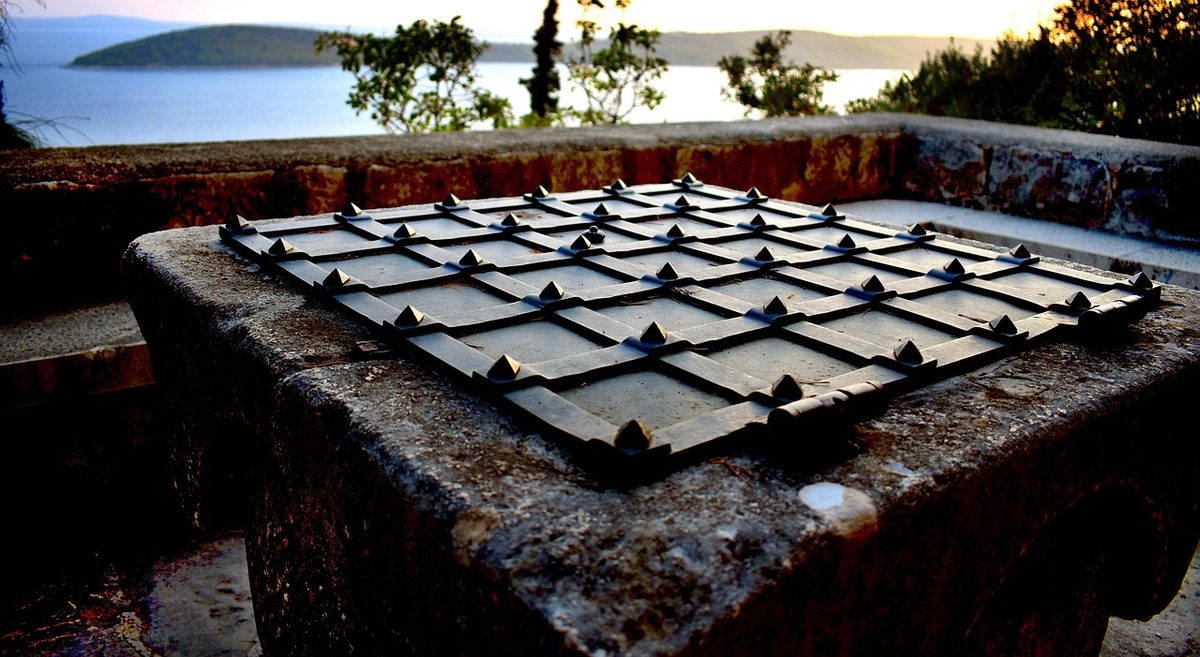
A well cover is a protective structure or lid used to cover the upper opening of a well.
It is commonly associated with larger-diameter dug or bored wells, although the exact terminology can vary by region.
Well covers may be made from materials such as concrete, metal, or other suitable products.
A properly designed cover should help prevent surface water, animals, insects, and foreign materials from entering the well.
Some covers also include a separate access lid that allows authorized maintenance personnel to reach the well.
Well Cap vs. Well Cover: Main Differences
| Feature | Well Cap | Well Cover |
|---|---|---|
| Common application | Drilled wells | Dug or bored wells |
| Typical location | Top of the well casing | Upper opening or structure of the well |
| Common materials | Aluminum, metal, approved durable materials | Concrete, metal, other suitable materials |
| Main purpose | Seal and protect the casing opening | Protect the larger well opening |
| Design | Often includes pump and cable openings | May include an access opening |
| Installation | Attached to the well casing | Secured over the well opening |
The terminology and requirements may differ between jurisdictions. Always check local well construction requirements before selecting a replacement.
Why Is a Proper Well Cap or Cover Important?
A well provides access to groundwater that may be used for drinking, cooking, cleaning, and other household activities.
If the opening is not properly protected, contaminants may enter the well.
1. Prevents Surface Water Contamination
Rainwater and runoff can carry soil, bacteria, fertilizers, pesticides, and other contaminants.
A properly installed protective system helps prevent these materials from entering the well through its opening.
2. Keeps Insects and Rodents Out
An unsecured well opening can allow insects and small animals to enter.
Some insects and animals can introduce bacteria and other unwanted materials into the water supply.
3. Reduces Debris Entry
Leaves, dust, dirt, and other airborne debris can enter an exposed well.
A secure cap or cover provides an important physical barrier.
4. Helps Protect Well Equipment
A suitable well cap can also protect certain electrical connections, pump cables, and other wellhead components from environmental exposure.
Which One Should You Choose?
The correct option depends on your existing well design.
For example:
- A typical drilled well may require a manufactured, properly fitted well cap.
- A large-diameter dug well may require a solid, watertight cover.
- A well with specialized pump equipment may need a particular sanitary seal or cover arrangement.
Do not assume that a generic lid will work for every well.
The cover must be compatible with the well casing, equipment, and applicable local requirements.
What Should You Check Before Buying a Replacement?
Before purchasing a new well cap or cover, check the following:
- Identify whether your well is drilled, dug, or bored.
- Measure the outside diameter of the well casing where the cap attaches.
- Identify the existing pump and electrical cable arrangement.
- Check whether the current system requires a screened vent.
- Look for manufacturer specifications and compatible replacement parts.
- Verify local well protection requirements.
If you are uncertain about the well configuration, contact a qualified well contractor.
Frequently Asked Questions
Are well caps and well covers the same thing?
Not necessarily. A well cap generally seals the top of a well casing, while a well cover may protect a larger well opening. Their exact meanings can vary by location.
Can I use a regular plastic lid as a well cover?
A regular household plastic lid is not necessarily suitable. A well cover must be designed to provide appropriate protection against water, debris, animals, and physical hazards.
Does every water well need a cap?
Most private water wells require an appropriate protective cap, cover, or sanitary sealing arrangement. The exact requirements depend on well construction and local regulations.
Can a damaged well cap affect drinking water?
Yes. A damaged or poorly fitted cap can create an entry point for insects, surface water, and other contaminants.
Should I replace an old well cap?
If the existing cap is cracked, loose, corroded, missing parts, or no longer seals properly, have it inspected and replace it with a compatible product when necessary.
Final Thoughts
Well caps and well covers serve an important purpose in protecting private water supplies.
Although their designs and applications differ, both help prevent contaminants and unwanted materials from entering a well.
Before choosing a replacement, identify your well type, measure the casing, and check the manufacturer’s specifications.
A properly fitted protective system is an important part of maintaining a safe and reliable private water well.
Disclaimer: This article provides general educational information. Well construction, installation, and replacement requirements vary by location. Consult a qualified well professional and your local health or environmental authority before making changes to your well.